
The Theft and Return of The Rendezvous
The Reincarnationist PapersThe portrait’s passage from Vermeer’s studio through wartime seizure to its contested recovery connects artistic creation, personal loss, and present-day criminal risk.
increasing Bearing strength in each event
 decreasing
Bearing strength in each eventdecreasingA Portrait Commissioned
A Portrait Commissioned
A painter discovered
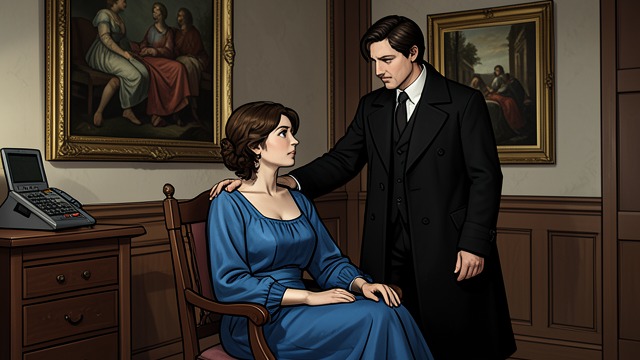
Emil Restoud sees Jan Vermeer’s work in a bakery and recognizes an unusual command of light and detail. She offers to commission a portrait and pays him to travel to her home.
A private relationship
The sittings last for long hours, and Vermeer’s careful attention draws the two into an intimate relationship. The painting records more than appearance; it grows out of the time they spend together.
An object made personal
Vermeer titles the work The Rendezvous. For Emil, it becomes a treasured record of a love that cannot be separated from the act of making the portrait.
A Work Kept at Home
A Work Kept at Home
A lasting place
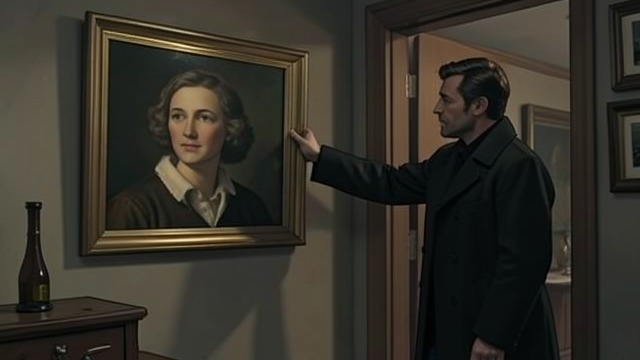
Emil keeps The Rendezvous in the Amsterdam home where Vermeer painted it. The portrait becomes part of the surroundings in which their relationship took shape.
Art and identity joined
Samas later describes the work as special because it carries the memory of the person he was and the painter he loved. Its value cannot be measured only by its market price.
Loss becomes imaginable
The painting’s attachment to a particular room and life makes its eventual removal a personal violation. Its frame and painted surface will preserve a history that later owners cannot fully see.
Seized in Wartime
Seized in Wartime
A collection plundered
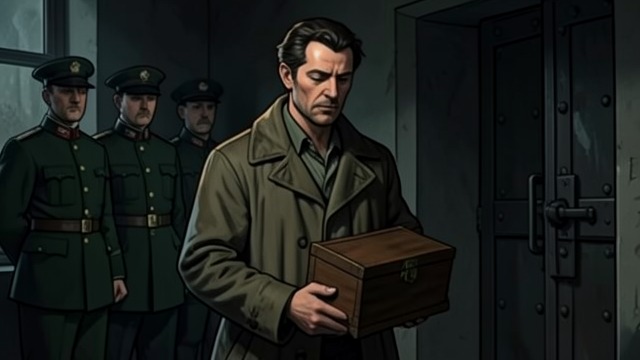
Nazi authorities take The Rendezvous from Samas’s home. He loses the portrait amid a much larger theft of cultural objects across Europe.
A search interrupted
Samas follows its route and attempts to recover it as the war ends. Soviet forces remove the stored artworks before he can reach the painting.
A wound preserved
The loss remains vivid across decades and lives. The portrait’s absence becomes a defining gap in Samas’s collection and a continuing attachment to the past.
A World Tour of Exile
A World Tour of Exile
Records guide the search
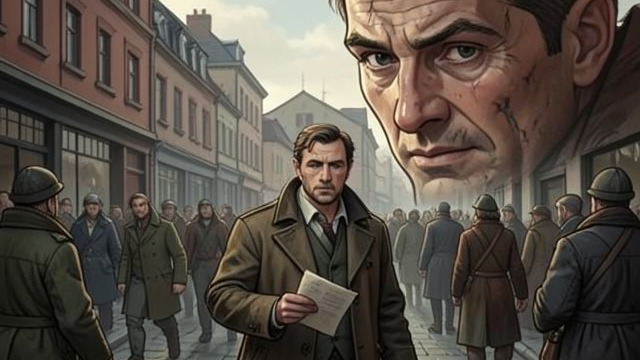
Samas locates information about the painting’s movement from the wartime cache into Soviet storage. He tracks its later transfer to Italy and its circulation among galleries.
The work remains recognizable
The portrait survives in the frame Emil selected, carrying a physical detail that connects its current display to the earlier life. Samas uses that continuity to follow it through institutions and countries.
Possession remains out of reach
Repeated offers to buy the painting fail. Its continued public display makes it visible to Samas yet unavailable, intensifying the desire to recover it himself.
Recovery Becomes a Crime
Recovery Becomes a Crime
A plan built around a memory
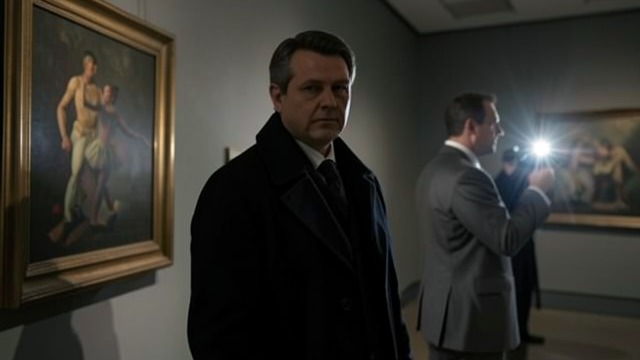
Samas prepares a detailed theft plan because he knows the painting’s frame and history. He hires Evan to carry out the physical removal from the gallery.
The portrait changes hands
Evan steals the canvas, but the authorities capture images of him in the gallery. Poppy then takes control of the negotiation and forces Samas to raise the payment.
Return without repair
Samas gets the painting back, but the recovery is entangled with criminal exposure and an old grievance. The object returns to him, while the history that made it precious remains unresolved.
In the 1670s in Amsterdam
After the portrait is completed
In 1940 during World War II
From the postwar period through the 1980s
When the painting is displayed in Tunis
